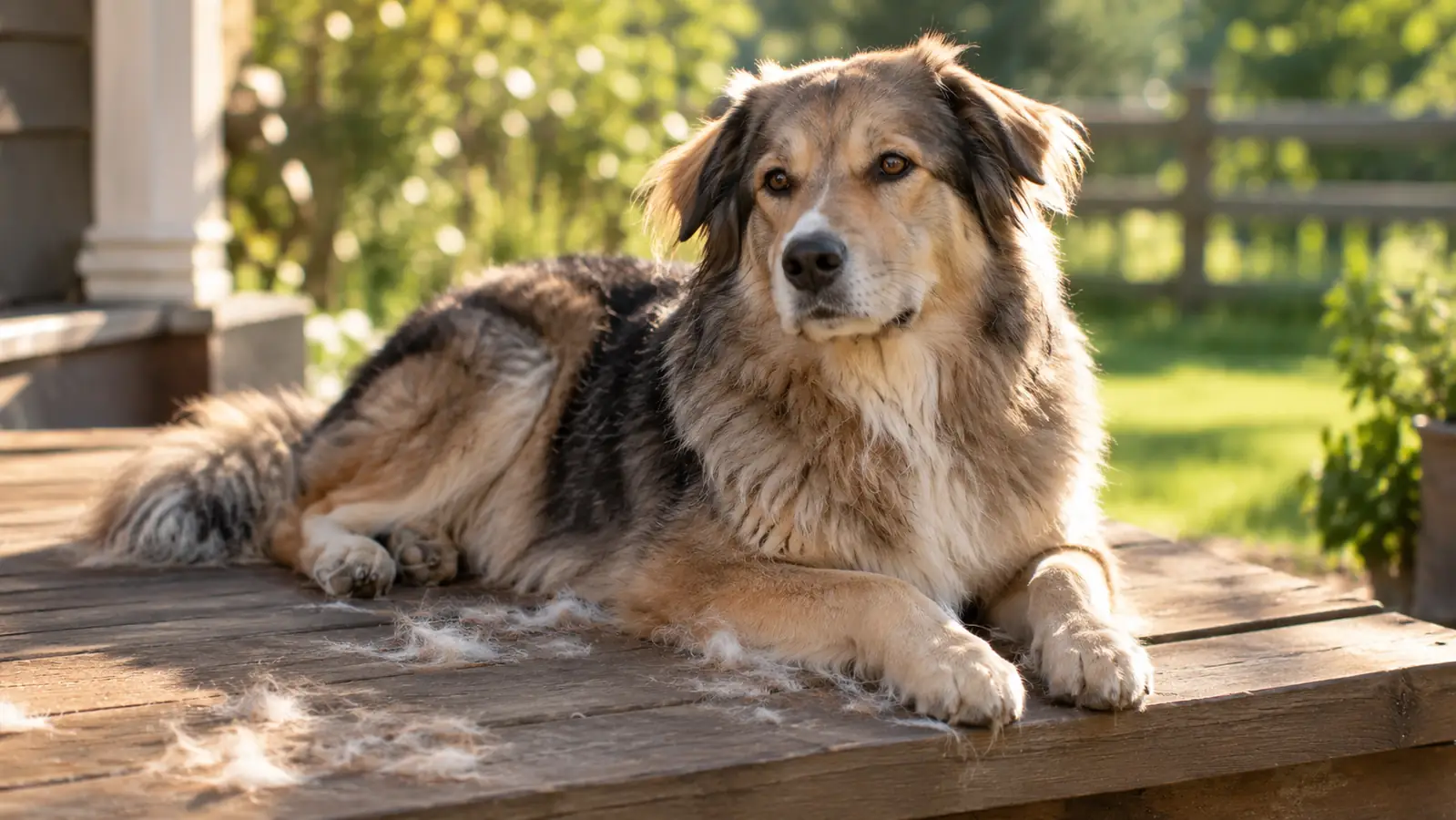
Every spring, my house loses a slow argument with 68 pounds of Labrador mix. Otis blows his undercoat in overlapping waves from early April to late May, and for a few weeks the fur tumbleweeds under the kitchen cabinets are part of the decor. I have tried a rubber curry mitt that only worked on a perfectly still dog, a steel undercoat rake that Otis tolerated, and a shedding blade that bent before its first full season. Last October, I ordered the Thunderpaws 2-in-1 Deshedding Brush and Dematting Rake and kept my expectations low.
That low bar is why this review looks the way it does. Six months later, the Thunderpaws sits in the mudroom with the short list of tools that actually earned their place, and I have used it through a full Wisconsin winter and the start of the worst shedding season I can remember. I want to tell you exactly how I have used it, where it genuinely wins, and the two or three honest places where it needs a lighter hand than the marketing photos suggest.
The Quick Verdict
The two sides carry their weight. The brush edge lifts loose undercoat before it reaches your floors, and the rake side sorts out the mats that always form behind the ears. It needs a light touch and a steady routine, but it made my worst shedding month noticeably less awful and it has not bent, dulled, or loosened in six months of use.
Amazon Check Today's Price →This pulled a grocery bag of undercoat off Otis in one session.
That was the moment it earned a permanent spot in the grooming drawer. More than 20,000 Amazon reviewers have weighed in with a 4.4-star average, and six months of use in my mudroom backs up the rating. Check today's price before the next shed wave hits.
Amazon Check Today's Price on Amazon →How I've Used It
My routine has been steady since October: twice a week during the quiet months, then every three or four days once Otis starts turning over his coat in March. A session lasts ten to fifteen minutes, and I do it in the mudroom with the door to the garage cracked open, because loose undercoat does not belong on the carpet upstairs. Otis stands still for the whole thing, which is the highest compliment he can pay any grooming tool. He does not stand still for the nail grinder, the bath, or the ear cleaner, so the contrast tells me something.
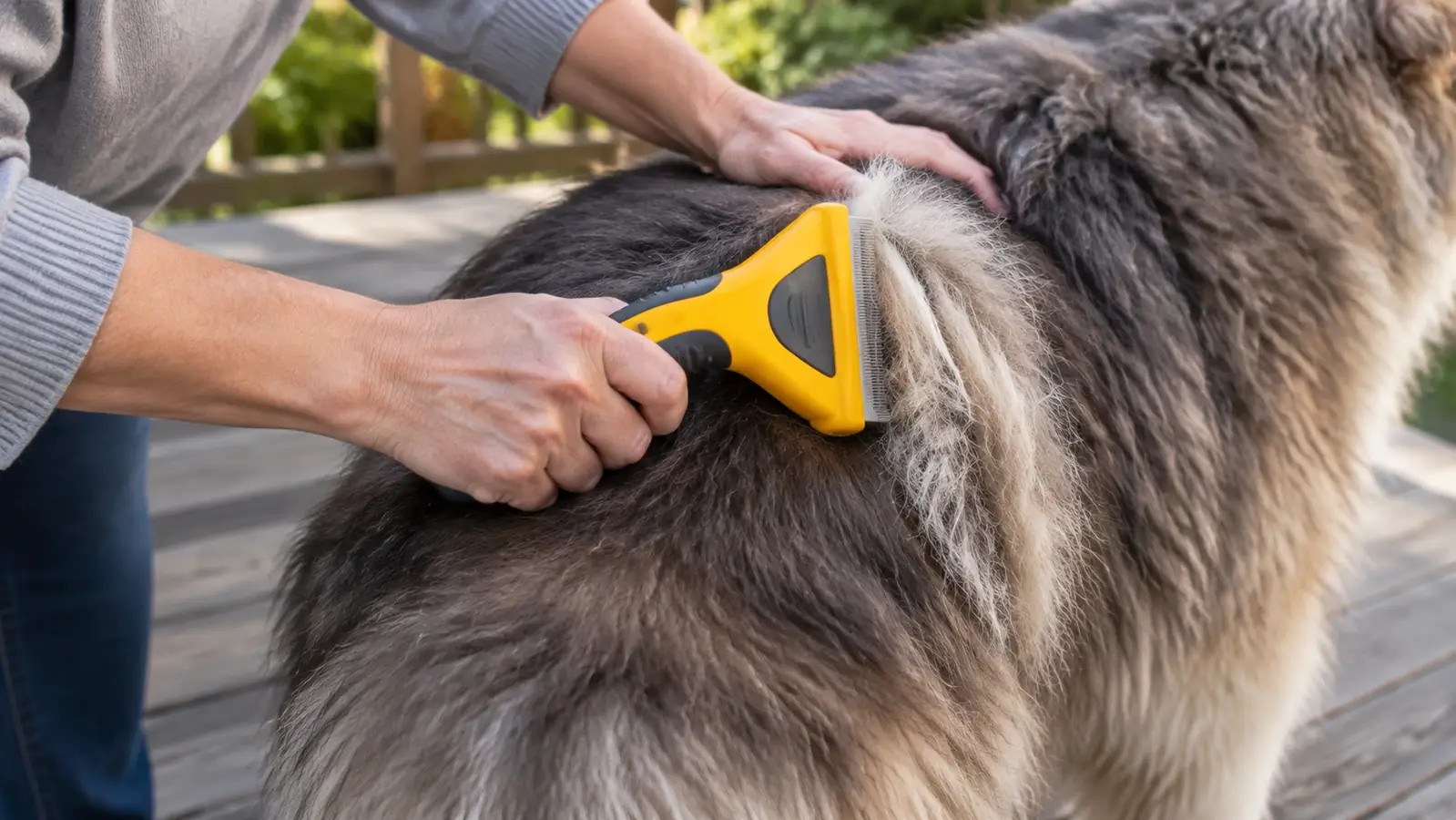
My technique has stayed simple. I start at the shoulders, work down the back in the direction the coat lies, and wipe the edge on an old towel the moment the fur stops coming off in clean strips. I use the brush edge for the large flat areas and save the rake side for the spots that mat no matter what I do: behind the ears, under the collar, and over the rear legs where burrs and dampness do their worst. That split of labor is what makes the tool feel complete.
When the spring shed arrived in earnest, I moved the whole operation outside. That first April session filled a grocery bag with undercoat, and there was still enough dust in the air to make me sneeze for an hour afterward. I brushed until the edge stopped pulling, and by the time I set the tool down, Otis looked half a dog lighter and extremely pleased with himself.
I repeated that every few days until the waves passed, then dropped back to the weekly maintenance pace. Between sessions I wiped the edge clean, left the tool on its hook by the back door, and did not think about it again until the next walk. A grooming tool that becomes invisible until you need it is exactly what I want.
The Two Sides, and Why Each One Pulls Its Weight
The brush edge is my default for most of his body. Held flat against the coat, it lifts the dead undercoat without dragging through the topcoat, and the angle is forgiving enough that Otis barely shifts even across the thickest part of his saddle. The difference between this edge and the blade that bent on me years ago is pressure. With this one, light pressure gets more fur out than leaning in ever did.
The rake side is the reason I reach for the Thunderpaws instead of the one-sided deshedding tool I already owned. When Otis develops a felted patch behind his ears in the damp months, the rake splits it into smaller sections that brush out without a tug-of-war. It still requires patience, and a mat that has been left alone for a week will pull before it gives up. The tool is not a substitute for clipping out a truly hopeless tangle.
Having both jobs in one handle mattered more than I expected. My old routine involved three tools that lived in three different drawers, and on cold nights I often skipped the whole process because it meant a dig through the mudroom. Now one tool lives on a hook by the back door, and the ten-minute brushing happens without an excuse.
Six Months In, the Honest Wear Report
Durability is where cheap grooming tools have burned me before, so I kept a close eye on this one. After six months of use, the edge still catches undercoat exactly the way it did in October. No bent pins, no loose screws, no wobble in the head, and no change in how it feels in my hand. I rinsed the head under warm water after the worst of the spring shed, dried it on a towel, and it came out looking and behaving the same.
There are no moving parts on this tool to wear out, which is part of why it has lasted. My previous shedding blade failed because the metal flexed under pressure; this one has not changed shape or dulled from regular cleaning. I cannot tell you what a fifth year looks like, because I have not lived it, but I can tell you that the six months that matter for a spring purchase have passed without a single maintenance issue.
The only wear I can point to is cosmetic, the normal scuffs that any tool collects when it hangs in a damp mudroom beside a leash and a bag of treats. Nothing about the function has faded. That is more than I could say for the two cheaper grooming tools I replaced to make room for it.
Where It Falls Short
Start with the most important limit: this is a maintenance tool, not a rescue tool. When I skipped a week and a half in the middle of the spring wave, Otis collected enough loose undercoat to develop fresh mats in new places, and the next session needed the rake side far more than the brush edge. No deshedding tool can fix a neglected coat in one heroic pass. If you are not going to brush on a schedule, the money will not fix the problem.
Second, the metal edge requires a genuinely light hand on thin-skinned dogs, and most cats will make their opinion known quickly. Pepper lets me get two passes along her back before she heads for the window seat, and I respect that. If your dog is nervous around metal tools or has a skin condition, ask your vet before you add a deshedding blade to the routine. What works on a thick-coated dog can irritate a thin belly in a hurry.
Third, the process creates a mess before it solves one. Undercoat ends up on your sleeves and in the air before it ends up in the bin, and the pile on the patio still has to be swept. In my house, that means a once-a-week patio chore during shedding season. If you live in an apartment with no outdoor space, think through where the fur will go and how you will clean it up.
Finally, honesty about what it does not do. It will not stop your dog from shedding, it will not repair coat damage, and it will not replace the slicker brush or the occasional bath that keep the topcoat healthy. It does one job, removes loose undercoat safely, and does it well enough that the other jobs get easier.
How It Compares to the Furminator I Already Owned
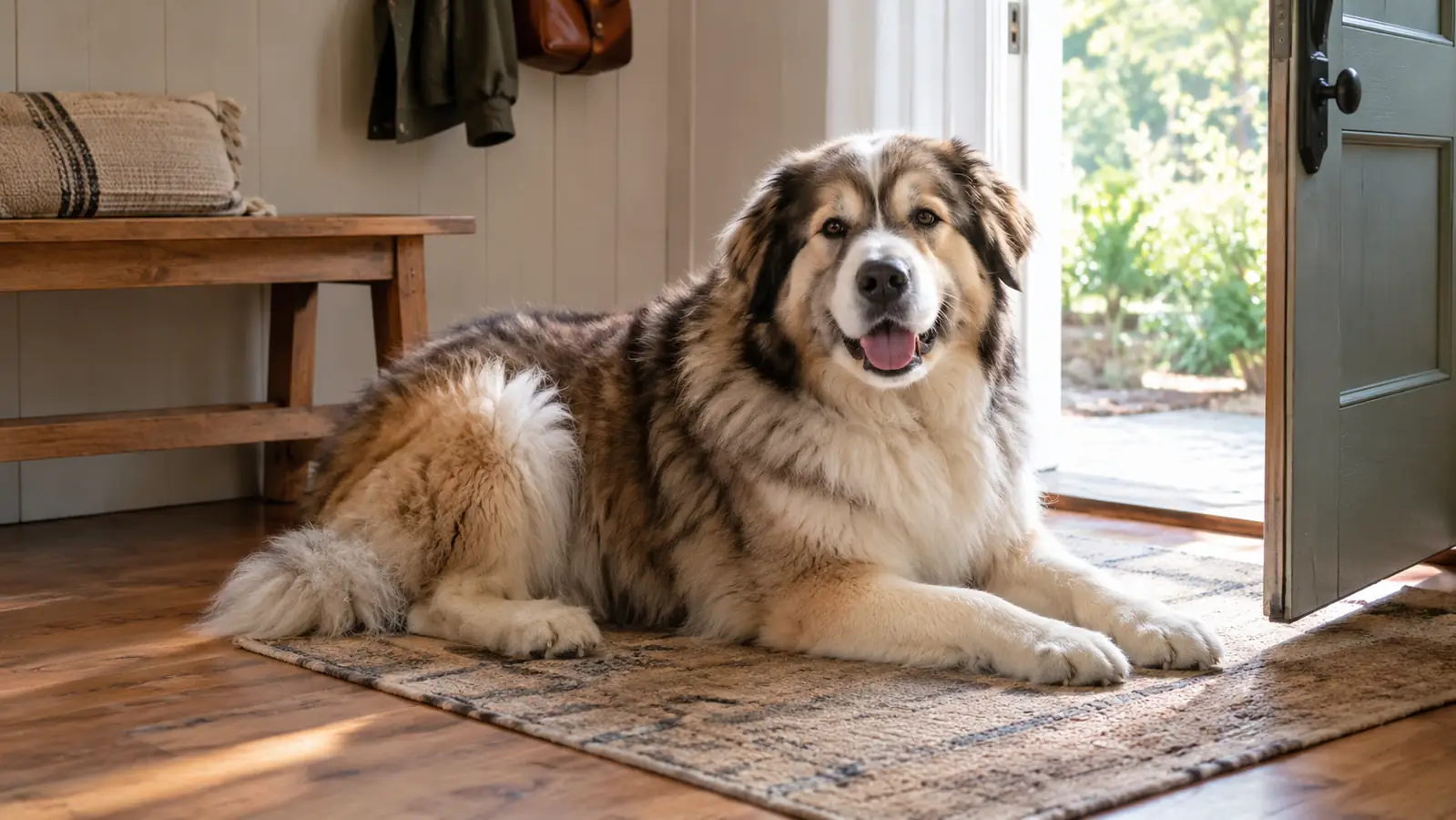
I have kept the one-sided deshedding tool I bought years ago, so I spent a week going back and forth between the two on Otis rather than trusting my enthusiasm for the new arrival. The Furminator pulls undercoat very well, and on the thickest point of Otis body, it lifted a touch more fur per pass than the Thunderpaws brush edge. I am not going to pretend the gap does not exist, because it does.
The Thunderpaws makes up for that small gap in two practical ways. The rake side handles the felted patches that a one-sided tool cannot touch, which means I stopped needing a separate dematting comb. And after six months, the build quality feels comparable to a brand that costs noticeably more. If you already own a Furminator and it covers everything you need, keep it; there is no reason to switch. If you are starting from scratch or you want one tool for both jobs, the Thunderpaws is the one I reach for.
The other difference is simpler to overlook: one tool compared with two. My Furminator lived in a drawer because it only solved half the problem. The rake side means every grooming session now starts with the same handle, and the sessions actually happen. In my house, the tool that gets used beats the tool that is technically superior on paper.
What I Liked
- One tool handles both undercoat and matted patches, so the grooming drawer gets simpler.
- Brush edge lifts heavy undercoat well when held flat with light pressure.
- No bent pins or loose parts after six months of twice-weekly sessions.
- Easy to clean: a towel between strokes, warm water after shedding season.
- Build quality feels better than the price suggests after months of real use.
- More than 20,000 Amazon ratings with a 4.4-star average.
Where It Falls Short
- The metal edge can catch thin skin if tilted, so a light touch is required.
- Only effective if you keep up a routine during heavy shedding.
- Removing undercoat is a dusty, messy process no matter which tool you use.
- The rake side will pull on fully felted mats that have been left too long.
- Not the right tool for a pet that panics around metal blades.
One grocery bag of undercoat, one calm dog, and a kitchen floor that stayed clean for days. That is the evidence I trust more than any spec sheet.
Who This Is For
The Thunderpaws is for anyone who lives with a double-coated, heavy-shedding dog. Labs, shepherds, huskies, retrievers, collies, and the many mixes like Otis that shed twice a year will all show you the payoff. It is for owners who have hardwood floors that show every tuft, carpeted stairs that collect them, and a vacuum that is tired of the job. It is for people who want to cut the volume of fur in the house without turning grooming into a production.
It is also for people who value a simple routine. If you can spend ten minutes three times a week brushing in a mudroom or on a porch, the tool will do its part without complaint. The fact that it doubles as a dematting rake means you do not need to figure out which of three gadgets handles the current problem.
One more thing that surprised me: the calm. Otis associates the sound of the edge lifting through his coat with an ordinary part of the day, not with being held down and inspected. That matters for a dog who is stiff on cold mornings. The brush does not fix his joints, but the gentle, predictable session has become something he leans into rather than tolerates.
Who Should Skip It
Skip the Thunderpaws if your dog does not have an undercoat. Poodles, bichons, and other single-coated breeds grow hair continuously, and a deshedding edge has nothing to lift except skin. Skip it for a pet that panics around metal tools, and skip it for any animal with a skin condition your vet has not cleared for this kind of grooming. Skip it if your dog already has tight, felted mats close to the skin; those need patient work or a professional groomer, and pulling at them with a rake will only make it worse.
Also be honest about your own habits. When the novelty of a new grooming tool wears off, the work still has to happen three times a week during shedding season. If you know from experience that you will not keep that up, you will be better served by a lower-maintenance approach like regular vacuuming and an occasional professional grooming appointment. The brush earns its keep through repetition, not through any single brilliant session.
Six months in, it is the brush I reach for first.
It has made my worst shedding month genuinely easier, and it has not bent, loosened, or dulled in the process. If your spring looks anything like mine used to, check today's price on Amazon and decide for yourself.
Amazon Check Today's Price on Amazon →